ArchivesSound Art

COSMOS QALÍTICO

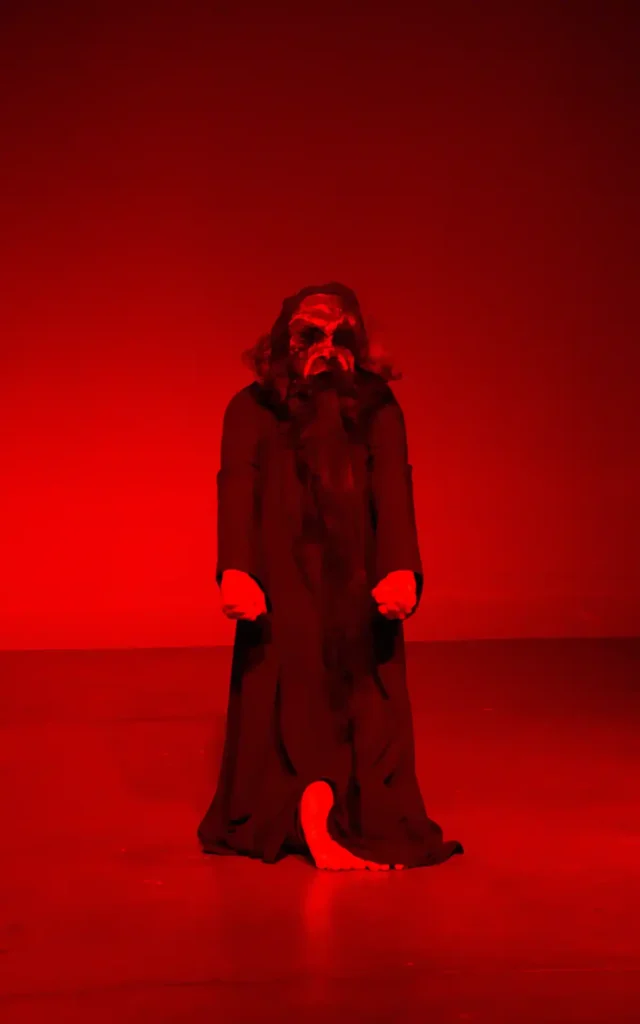
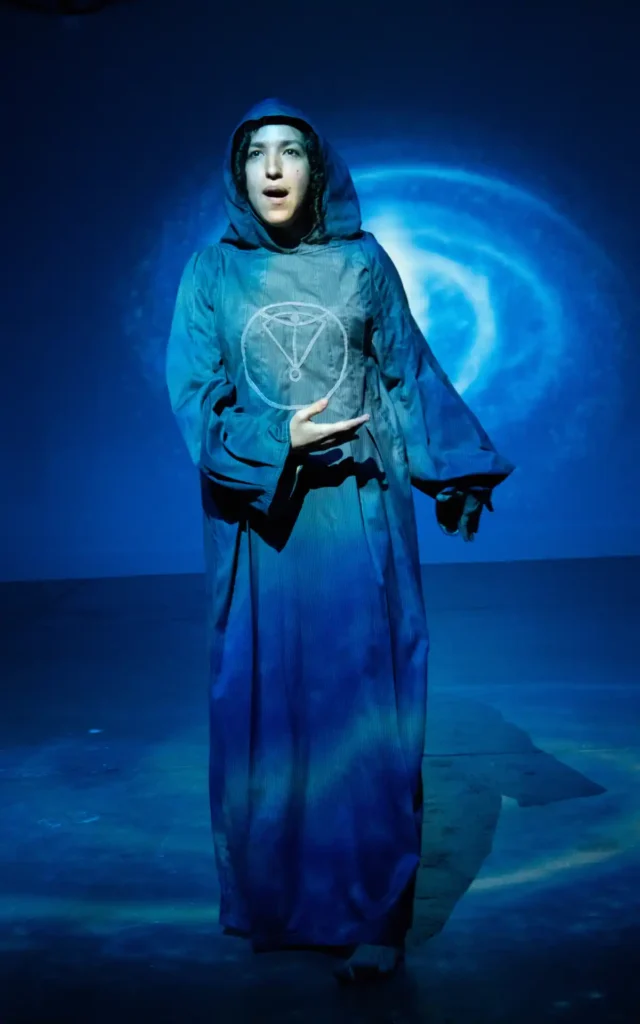
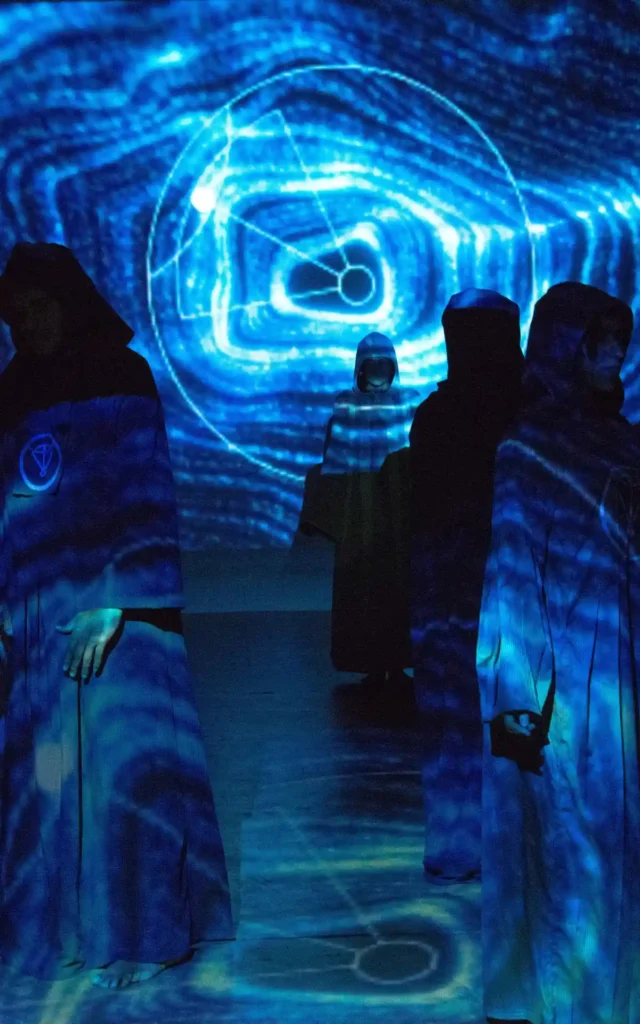
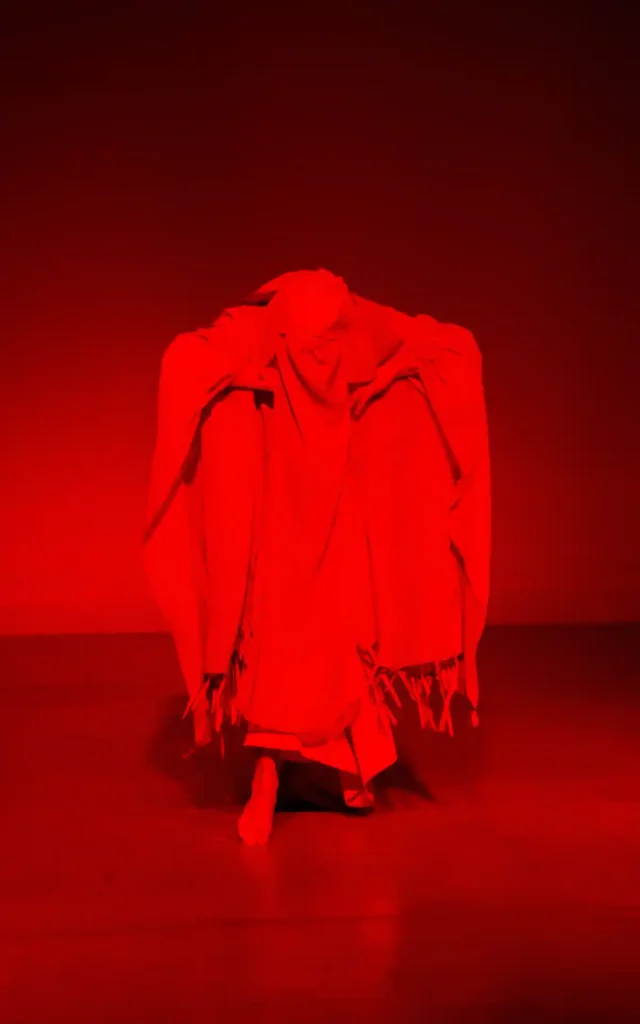
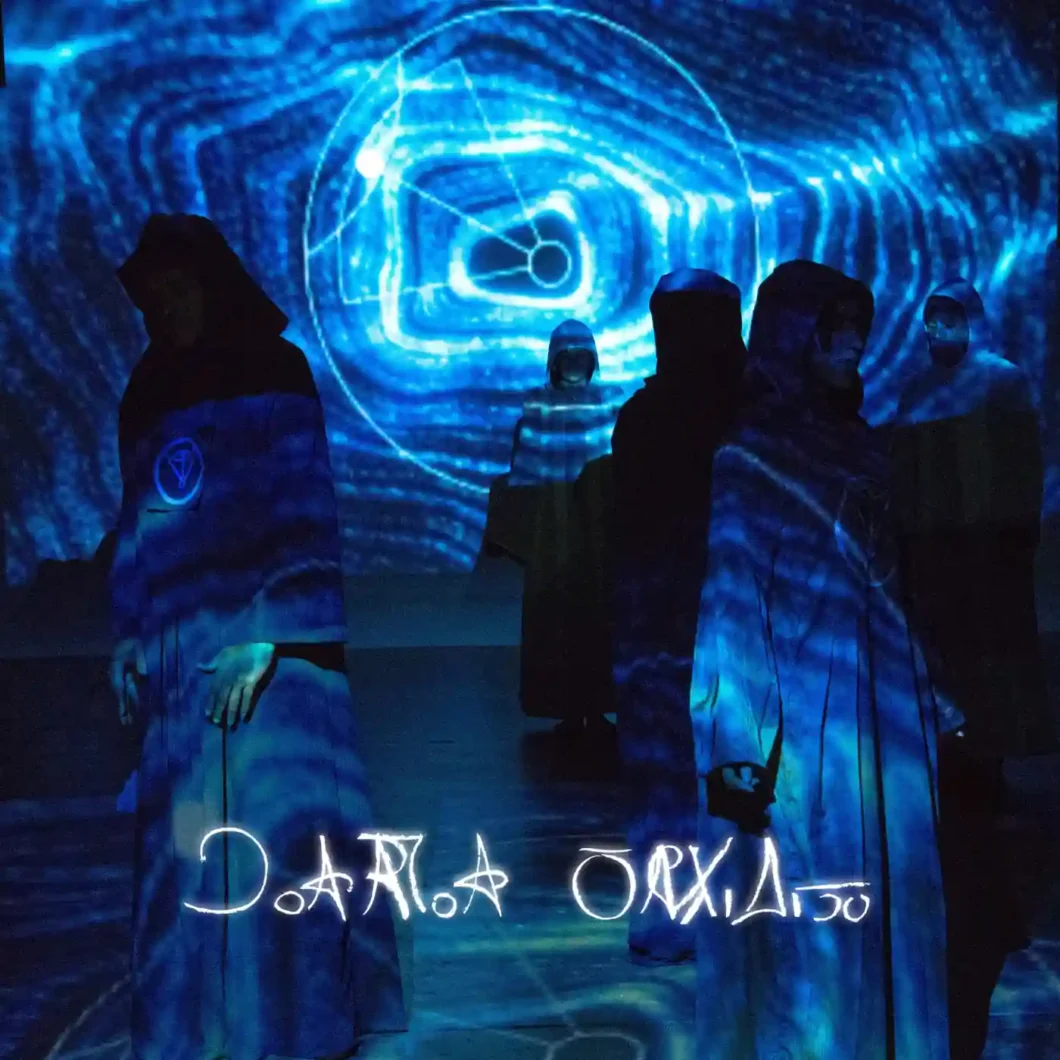
COSMOS QALÍTICO, a portal materialized in vibrations of fluid expansion; where language becomes a refuge for the intuitive connection with the infinitude of what we are. The voice that inhabits us is shaped by the sincerity of consciousness, and the Qalítico, a medium capable of reflecting our inner states and transmuting earthly afflictions.

Indira Veimon
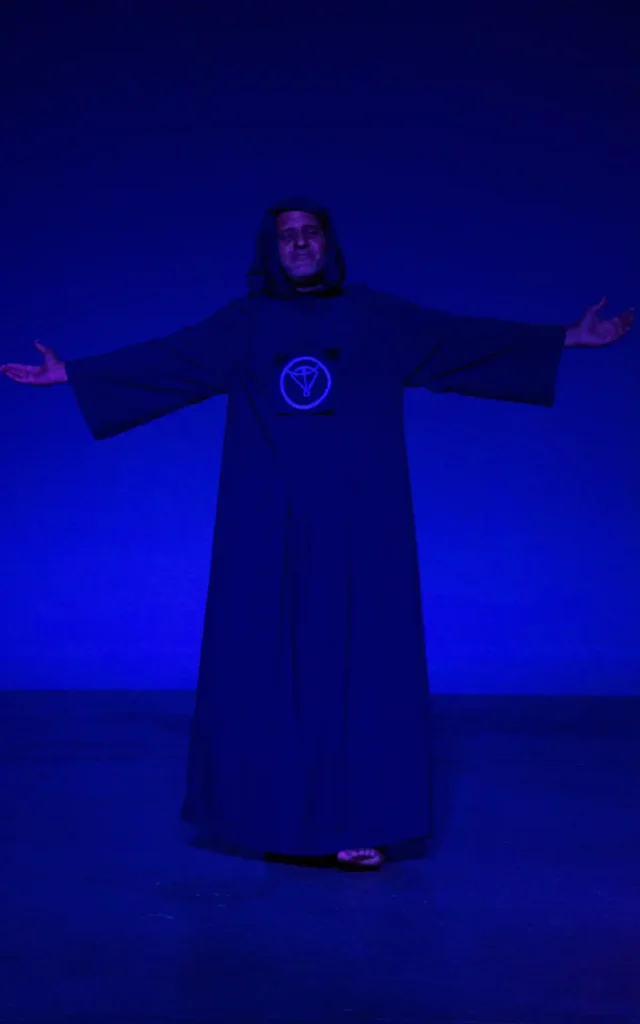
COSMOS

This album, titled Cosmos Qalítico, is composed of a work in five movements, named “Habitar la Huella del Silencio” (2023), which explores, through the voice, the symbolic meanings of concepts such as noise/silence; time/eternity; being/non-being.

Formally narrated —through an artistic language, the Qalítico— it traces a journey that builds atmospheres of unintelligible sounds, sculpting in space breaths that brush against a plastic musicality. Its five movements describe a path, metaphors of the vicissitudes of a being rescued from the City of Noise.

In this journey of five movements, the character Er:: does not distinguish himself from noise (first movement); distinguishes himself from noise (second movement); is guided by an external voice (third movement); recognizes his silence (fourth movement); and finally communes with Silence (fifth movement).

Qalítico

…in its sonic complexity (plastic-consonantal, overtones, guttural sounds, whistles…), has served to reflect on the limits faced by the human being in a rapidly changing world. The voice signifies personhood, and no noise should cover it.

Conceptually, it proposes distinguishing one’s own voice from the invading noise, echoes of lost, demonic voices that reverberate in memory for a time, not without producing torments and lacerations. When these dissipate, the inner journey begins, and the redeeming song emerges.

The voice, in its tending toward Silence, has passed through the scream, has been ordered into sound, and intuits the extension of the inextricable Silence. The hysterical scream has sought to condemn the voice, has created laws to prevent the division of languages: those that are not understood, those that are not recorded in census nor consensus, those that converse with mystery. What does the “world” truly fear? That voice has emerged from a listening that answered an inner call.

During the process of creation and production of the album, the artists familiarized themselves with the sound texts translated from Spanish. These participants, coming from different disciplines such as visual arts, dance, theater, and literature, learn and incorporate the sounds in a practice that extends between three and six months. They become familiar with the tonality, textures, and consonantal plasticity of the Qalítico; they memorize it as dialogues or monologues, first for a public presentation and later for a studio recording.
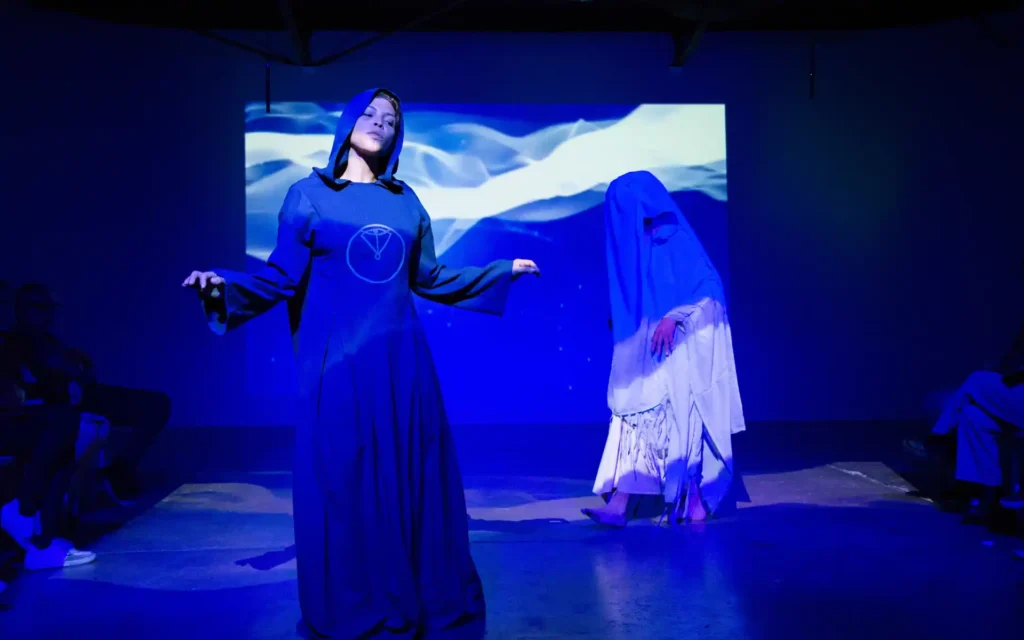
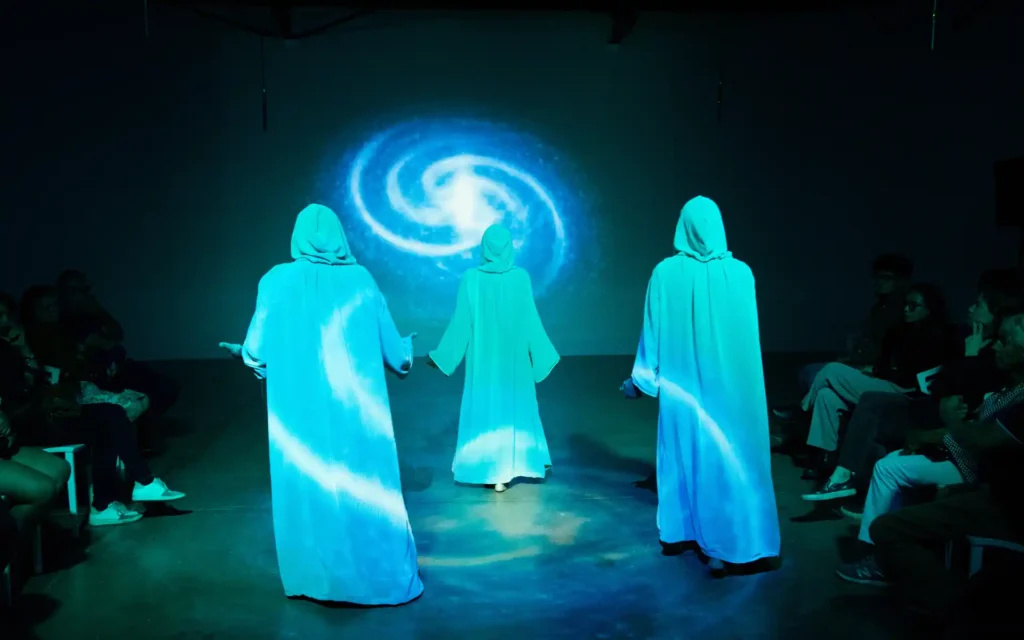
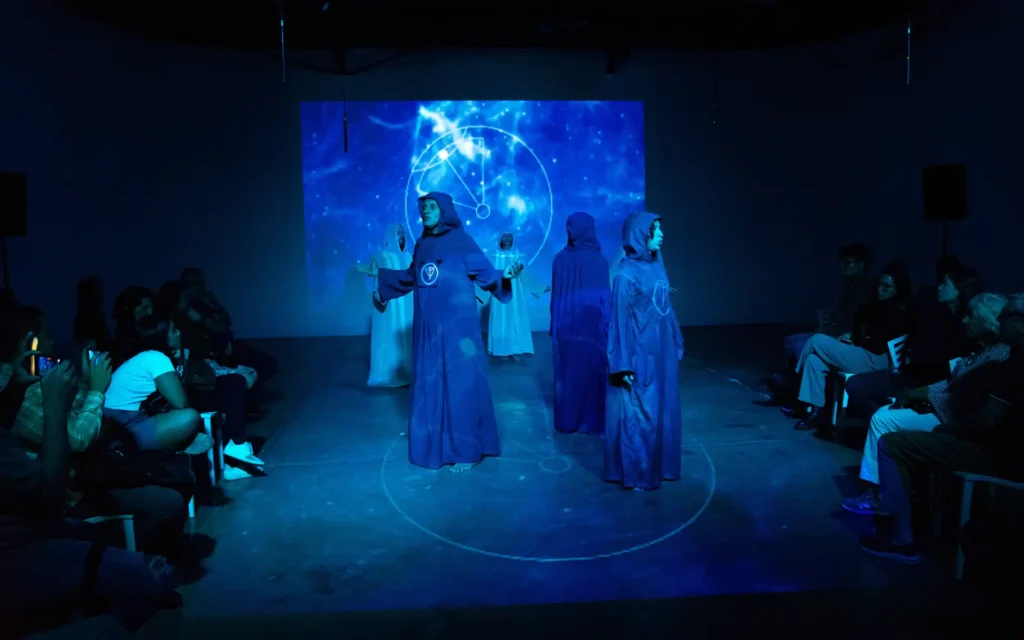
Qaliticum Laboratorio de Creación Sonora (Qaliticum Sound Creation Laboratory)

Direction, production, and texts: Rommel Hervez.
Assistant in artistic direction: Indira Veimon.

Artistic Credits
Voices: Indira Veimon, Sainma Rada, José Ángel Arvelaiz, Jhonny Rivas, Clarimar Arguinzone, Brian Landaeta, Misael Carpio, Rommel Hervez. Production assistants: Carla Cordero, Adriana Herz. Video art realization: Rodolfo Graziano.

Technical Credits
Photographic record: Iván Amaya.
Video recording: Camilo Paparoni.
Video editing: Indira Veimon.
Audio recording and editing: Kreils García, Jerry De Los Ríos, Rommel Hervez.
Recording studio: DLR Studios.
Costume: Clarimar Arguinzone.
Graphic design: Dayana Diaz.

Collaborators: Centro de Arte Los Galpones (Caracas, Venezuela), Oz Producciones, Alicia Coles, Francisco Loy, Danahe Palacios.


Executive Producer: ROMMEL HERVEZ
Artistic & Concept producer: Rommel Hervez, Qaliticum Lab.
Mastering: Franco Falistoco
——
Venezuela/Argentina — 2026
——
CALATHEA experimenta ©️
Contact: experimenta@calathea.ar
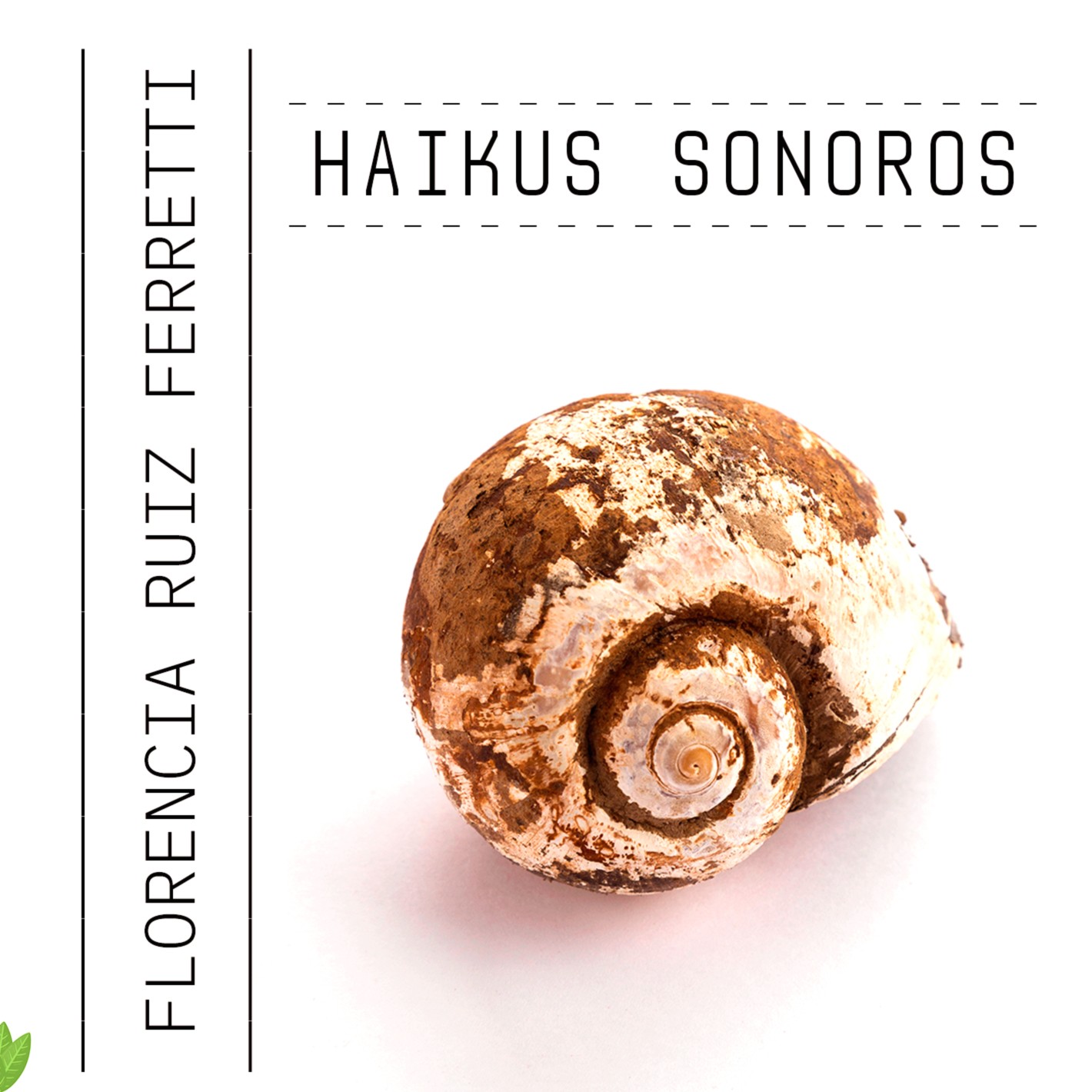

HAIKUS Sonoros (Sonic HAIKUS)

In his travel book Diary of a Skull in the Open, Matuso Bashô asks himself:

Can the dew
drop by drop
the dust of the floating world?

And I answer him:

Can a poem,
or a succession of sounds,
move the heart of a city?

As I obtained a large number of sound recordings from each season of the year in Rosario, I wondered how I could translate a Haiku, with its brevity, its simplicity and its poignant depth, sonically. Obviously I had to choose a series of sounds, I couldn’t use all of them. However, brevity did not seem possible in my sound works, until I realised that in reality each work is composed of a succession of small works, which could be listened to separately.

The HAIKUS Sonoros are a kind of Renga in which, through sounds, I ask and answer myself. Each sound stanza could be taken as an independent work, which together form a Renga or a concatenation of Haikus.

The four seasons. HAIKUS sonoros para Rosario is a sound installation project that emerged during 2000 and confinement, and was awarded a Creation Grant from the Fondo Nacional de las Artes in 2021.

This is its sound version 2024.

Florencia Ruiz Ferretti


Florencia Ruiz Ferretti | CE20240018 — CALATHEA experimenta

Créditos

Compuesto, producido e interpretado por: Florencia Ruiz Ferretti
Mastering: Franco Falistoco, CALATHEA experimenta
//////////////////////////
CALATHEA experimenta
experimenta@calathea.ar

PLEYADE

Pleyade is a word that comes from Latin for a group of people who are outstanding in an activity that is usually artistic. In Greek mythology, Las Pléyades were seven sisters who metamorphosed into doves and then became stars. The constellation bearing this name is also known as the Seven Sisters or the Seven Goats. The name Pléyades also refers to a group of seven Alexandrian tragic poets of the 4th-3rd centuries BC and in France, during the Renaissance, to another group of prominent poets.

Now, Pléyade is also this album that compiles acousmatic and electroacoustic works, a sound poem and soundscapes created with different composition and elaboration techniques. All of them are the result of creative processes carried out by their authors and accompanied in the space of the Taller de Música y Arte Sonoro directed by Pablo Bas, which are here embodied in works that, like spiralling circles, we hope will be fed back to the public who listen to them.

Pablo Bas.


CREDITS:

With works of: Mar Alzamora (PAN), Camila Albarracín (ARG), Markos Peralta (ESP / ARG), Gustavo Castellano (URY), Anésio Neto (BRA), Gabriela Spinelli (ARG) and Laura Molina (ARG)

Mastering: it was carried out in two stages. The first part in Pablo Bas’ studio and then in the Laboratorio de Investigación y Producción Musical del Centro Cultural Recoleta [LIPM CCR] with Gabriel Lucena as technician and the support of FMyT [Fundación Música y Tecnología].

Cover image: Francisco Bas.


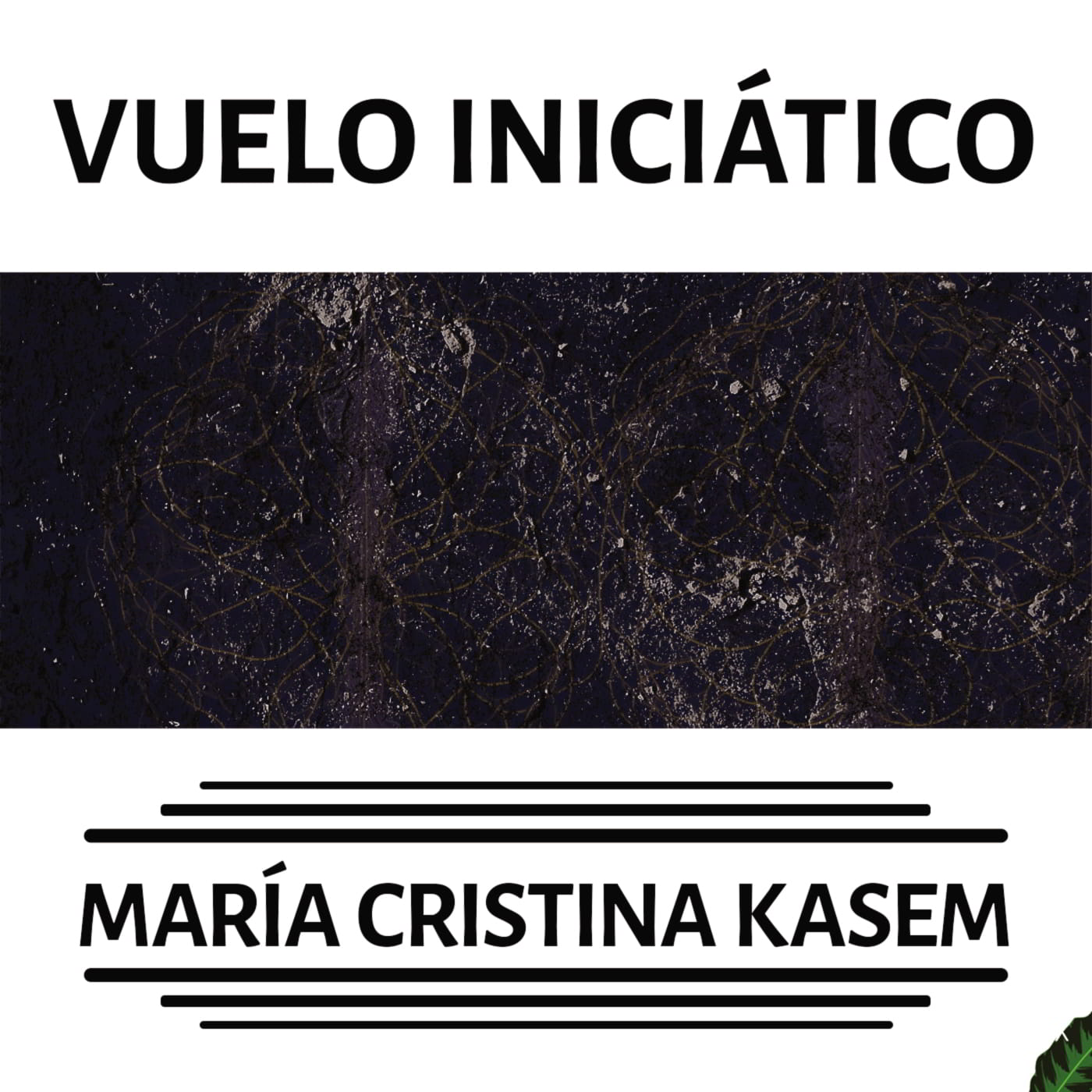
Initiatory Flight (Vuelo Iniciático)

The first two pieces are pure electroacoustic, while Pacha Mama is a mixed piece for male and female voice, together with various instruments and percussions. The electroacoustic supports of the three pieces were composed and realised at the Studio du Nord of the University Lille III.

While lvy Mara He’y is the piece that complements this selection of works by the artist, which was awarded an Honourable Mention at the SONOM International Competition in Monterrey, Mexico in 2013.

Vuelo Iniciático (Initiatory Flight) is musically inspired by the rites and legends of the toba theogony, evoking the initiatory journey of the sorcerer, who, transformed into an eagle, flies over the three cosmological strata of the world. The waters, the heavens and the earth represent the three emanations of the same truth, a knowledge declined three times —like the truths of the Emerald Tablet of Hermes Trismegistus— thus indicating the parallel and interacting presence of the physical, psychic and astral world.


About the Works

Las Aguas Abismales (2008)

1st prize in the International Competition IMEB Bourges/France 2009.

The beginning of the triptych is an invocation, introducing the voice of a Toba sorceress recounting the origins of the world. This first piece takes the form of a melody with accompaniment, and the composition is produced, similarly to Eimert’s Epitaph, from the loss and recovery of the semantic recognition of voice and text. In addition to the voice, the piece uses as sources a series of instruments from the Toba tradition (flutes, quenas, erkes, rainsticks, drums, etc.) as well as some instruments from Western music (flute, various percussions). All these sound sources were recorded and transformed through various electroacoustic study techniques: resonance filters and spectrum attenuation, shuffling, sound stretching, speed and pitch changes, etc.

The piece will find its formal resolution through the magical summoning of water.

It is in the abysmal depths of the water that the traveller on the Tufa initiatory path confronts the demons of hell. From this struggle, if he emerges victorious, he will gain the wealth of knowledge; this combat with the beings of the aquatic underworld is necessary because it is what ends and begins the eternal cycle of life.

Los Cielos Infinitos (2010)

In contrast to the dynamism and the lively and restless character of Las aguas abismales, the second piece of the triptych is an interlude characterised by the re-exploitation of the sound materials used in a frankly static and meditative context. Los cielos infinitos is a grave and solemn piece, evoking the atmosphere of a prayer. The voice of the sorceress reappears sporadically, recalling the narrative element, the backbone of the triptych as a whole. As a preponderant figure we find the presentation of the ocarina, an instrument that develops a series of melodic figures in glissando.

Pacha Mama (2011)

Work selected to represent Argentina at the UNESCO International Composers’ ROSTRUM in Finland 2014.

Pacha Mama is the embodiment of the electro-acoustic source in performers, which is realised taking into account that the ultimate state of the Toba initiation is the transformation into another being, another person than the man of knowledge.

The piece is conceived for two amplified solo voices (female: the sorceress, male: the initiate), ocarina, indigenous flute, Tibetan singing bowl, various percussions and octophonic electroacoustic support.

The voices of the two performers perform part of the repertoire contained in the electroacoustic medium, producing a varied counterpoint with it. To this are added individual actions not contained in the electroacoustic medium, for example:

  • Mongolian diphonic singing,
  • Ultra high-pitched falsetto,
  • The recitation.

Ivy Mara He’y (2012)

While lvy Mara He’y is the piece that complements this selection of works by the artist, which received an Honourable Mention in the SONOM international competition in Monterrey, Mexico in 2013.

The title of the work, in the Guaraní language, means The Land Without Evil, the lost paradise of the native peoples of Paraguay, Brazil and Argentina. The work is an invocation, a shamanic rite to protect mother earth.


CREDITS

Composed, produced and performed by María Cristina Kasem.
Mastering: CALATHEA Experimenta
www.calathea.ar
experimenta@calathea.ar